
What Is a Sukajan Jacket?
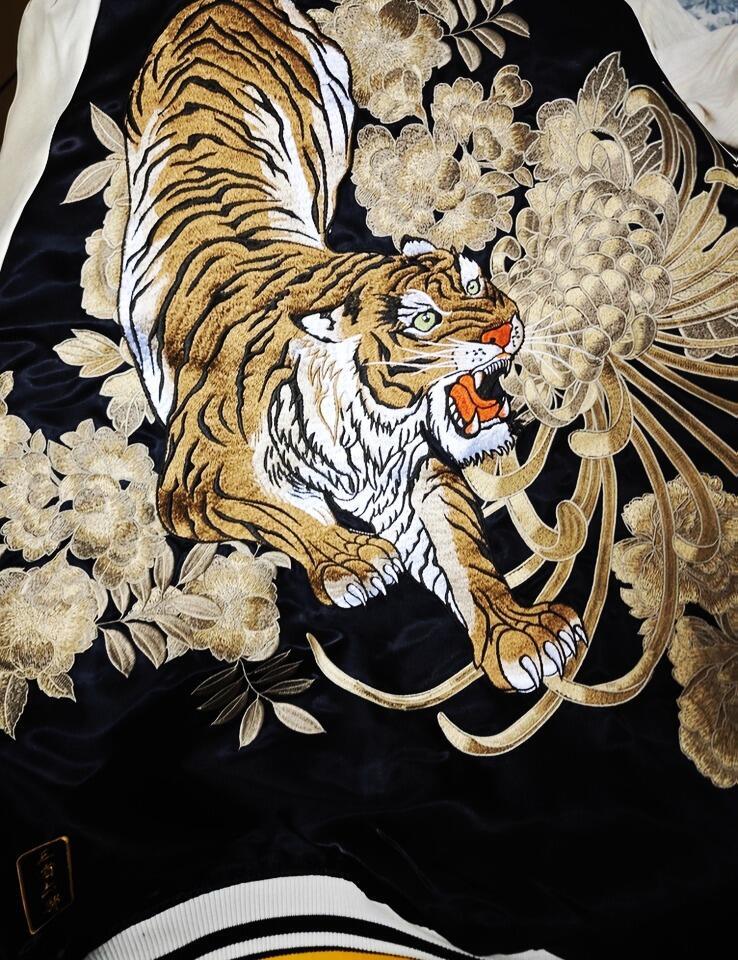
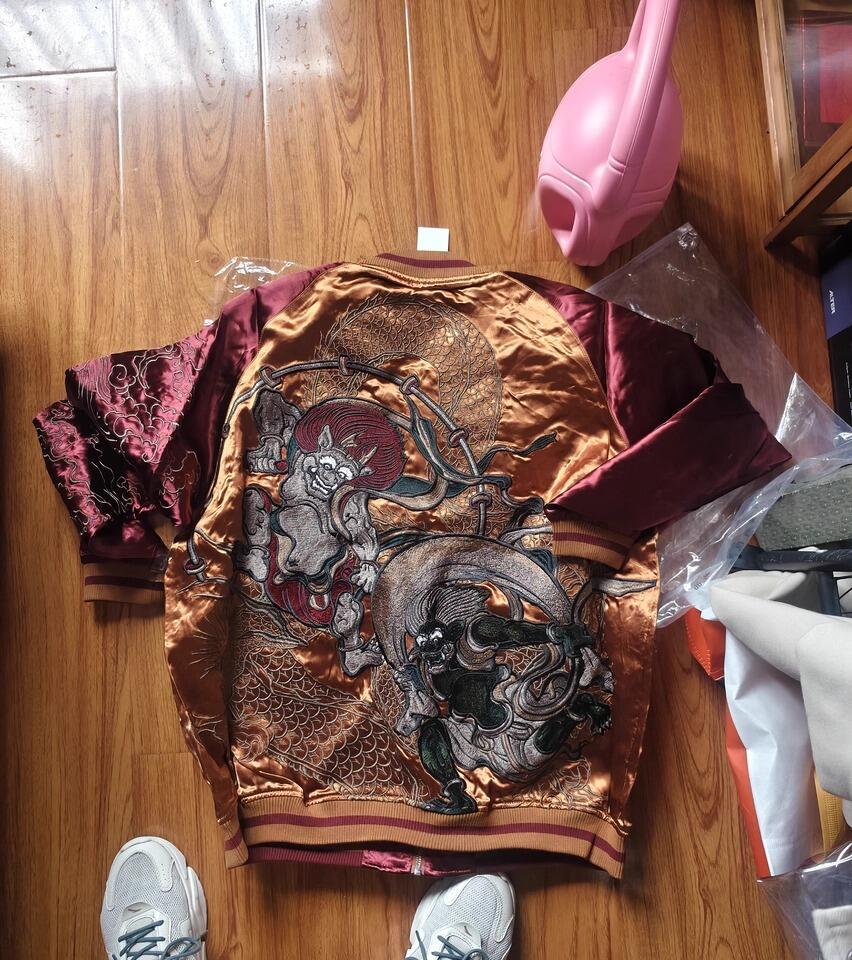
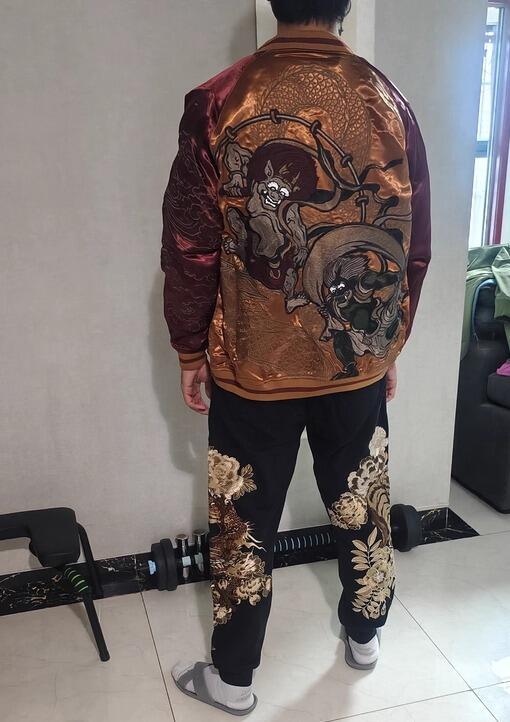
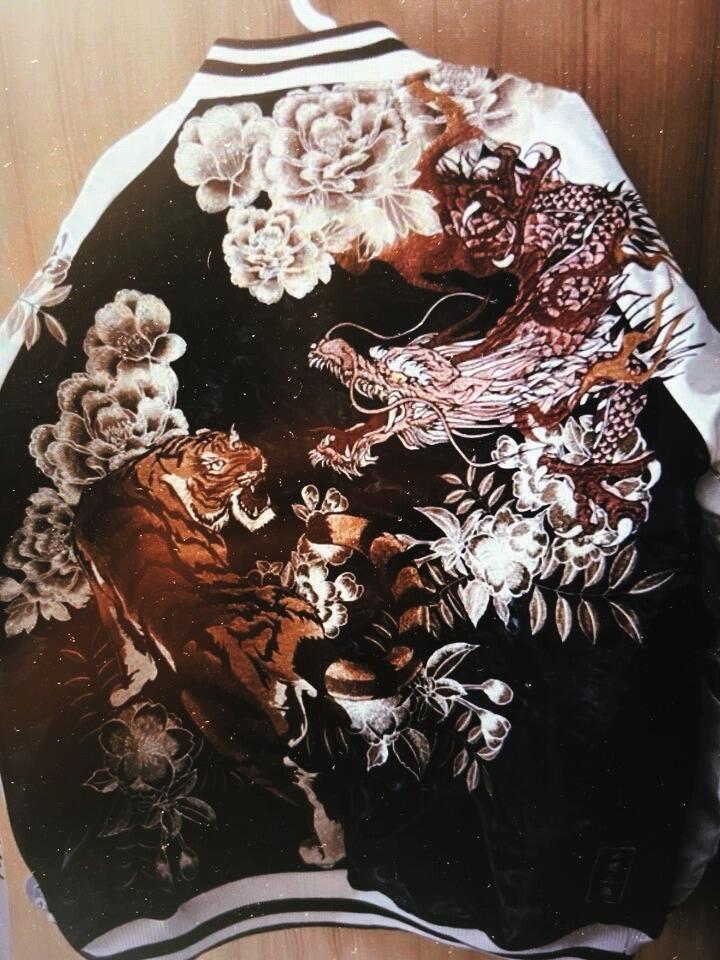
A sukajan jacket is a Japanese souvenir jacket known for its glossy fabric, relaxed bomber-style shape, and bold embroidered artwork. Common motifs include dragons, tigers, eagles, cherry blossoms, waves, cranes, and other designs inspired by Japanese culture and traditional symbolism.
The name “sukajan” is widely understood to come from “Yokosuka jumper.” Yokosuka is the port city most closely associated with the early history of these jackets, which became known for their distinctive mix of military influence, postwar street style, and decorative embroidery. Over time, the sukajan became more than a souvenir piece. It developed into a collectible and highly recognizable style of Japanese outerwear.
Origin: Yokosuka, Japan
Known for: Embroidery, satin-like fabric, bomber silhouette
Best for: Spring, fall, layering, statement outfits
What makes a sukajan different?
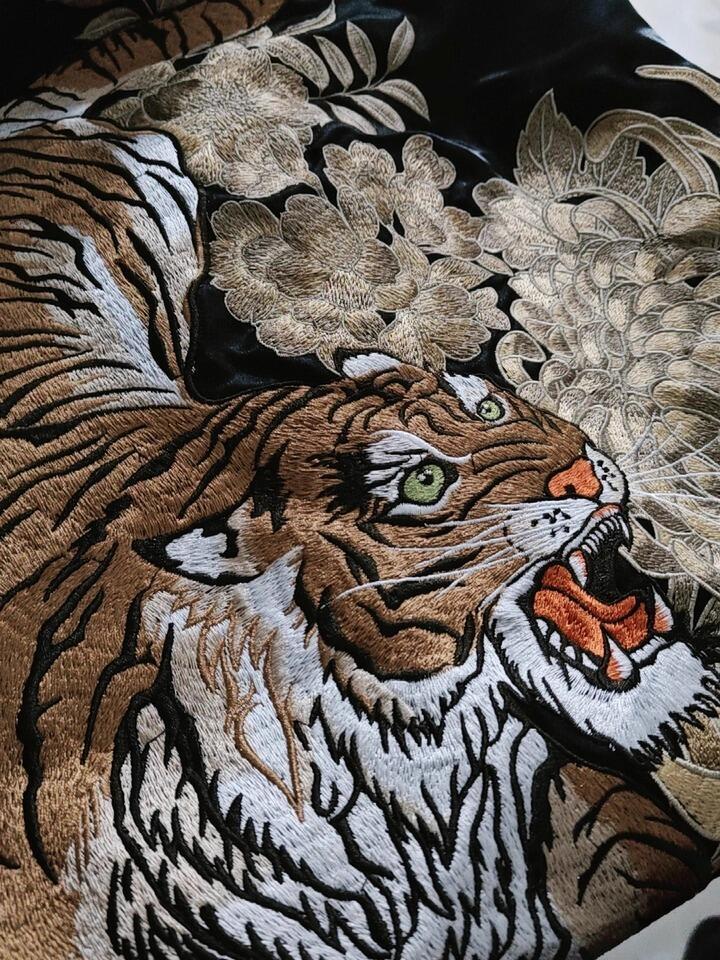
What separates a sukajan jacket from a standard bomber jacket is the visual identity. A regular bomber is usually simple and functional. A sukajan is more expressive. The embroidery is the focus, often covering the back, chest, or sleeves with large, detailed artwork that gives the jacket its character.
Fabric also plays a big role. Many sukajan jackets are made in satin-like materials such as rayon or polyester, which help the embroidery stand out and give the jacket its signature sheen. Some designs are more understated, while others are meant to make a strong statement the moment you put them on.
Why do people buy sukajan jackets?
For some people, a sukajan is about style. It adds personality to a simple outfit and turns a plain look into something memorable. For others, it is about the artwork itself. Dragon, tiger, sakura, and crane designs each create a different mood, so the jacket often feels more personal than standard outerwear.
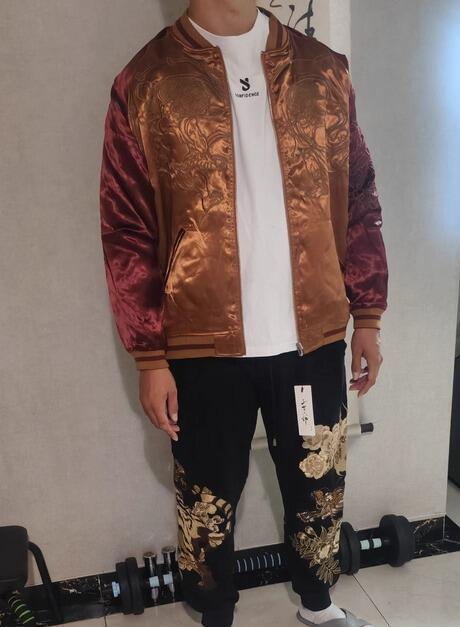
A sukajan also works well as a transitional piece. It is especially popular in spring, fall, cool evenings, and layered outfits, when you want something with presence but do not need a heavy winter coat.
Are all sukajan jackets the same?
Not at all. Some sukajan jackets are made with rayon for a smoother drape and more premium look, while others use polyester for durability and easier care. Some are reversible, offering two different looks in one jacket. Others focus on a single embroidered back panel with a cleaner front.
That is why it helps to shop by material, design, and wear style rather than treating every sukajan the same.
Choosing the right sukajan
If you are buying your first sukajan jacket, start with the design that feels most natural to you. A dragon sukajan has a bold, classic energy. A tiger design feels fierce and sharp. Sakura styles bring in a softer and more artistic balance. If material matters to you, rayon is a good choice for a more elevated finish, while polyester is a practical starting point for everyday wear.
A good sukajan should feel like more than just another jacket. It should give your outfit identity.
Explore our Rayon Sukajan Jackets, Reversible Sukajan Jackets, and Best Selling Sukajan Jackets to find the style that fits you best.
FAQs
What does “sukajan” mean?
“Sukajan” is a Japanese souvenir jacket style widely linked to “Yokosuka jumper.” It is known for satin-like fabric, bomber-style construction, and bold embroidery such as dragons, tigers, sakura, and other Japanese-inspired motifs.
How is a sukajan jacket different from a bomber jacket?
A sukajan jacket shares the basic shape of a bomber jacket, but the look is very different. While a standard bomber is usually simple and understated, a sukajan stands out with detailed embroidery, glossy fabric, and stronger visual character.
Are sukajan jackets good for everyday wear?
Yes. A sukajan jacket can be worn as an everyday statement piece, especially with simple outfits like plain tees, denim, or clean trousers. It works well in spring, fall, cool evenings, and layered looks.
Are all sukajan jackets made from the same material?
No. Sukajan jackets are commonly made from rayon or polyester. Rayon usually has a smoother drape and richer sheen, while polyester is often easier to maintain and more practical for everyday wear.